Panama City's Tropical Remote Work Guide: Visa, USD Living, & Fastest WiFi
Want 1st-World infrastructure in the tropics? Panama City offers USD currency, blazing WiFi, and a dedicated 18-month digital nomad visa. Your guide to nomad friendly cafes, coworking, living costs, and Canal views.
Valentina Mazzone
13 min read
Panama City: Where Skyscrapers Meet Rainforest in Perfect Nomad Harmony
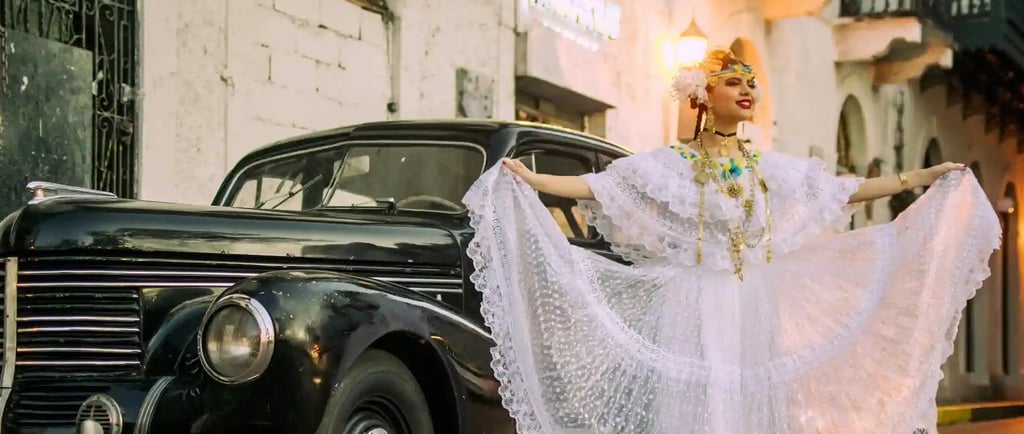
I lived in Panama City for 3 months and I still remember how I was finishing my working day, stepping out of my air-conditioned apartment, and within twenty minutes watching massive cargo ships navigate one of the world's engineering marvels. By sunset, I was sipping a Chilcano cocktail on a colonial rooftop in Casco Viejo, watching the modern skyline light up across the bay. This isn't a carefully curated vacation moment, this is a regular Wednesday in Panama City.
Panama City occupies a unique space in the digital nomad ecosystem. It's genuinely cosmopolitan without the tourist overwhelm of other Latin American capitals. The infrastructure rivals any First World city, think reliable high-speed internet, modern healthcare, and public services that actually function. Yet you're surrounded by tropical rainforest, pristine beaches are an hour away, and the cost of living remains remarkably reasonable compared to North American or European cities.
The dollar is the official currency, which eliminates exchange rate anxiety for Americans and simplifies budgeting for everyone else. English is more widely spoken than most Latin American cities, though Spanish still dominates outside expat zones. And perhaps most importantly, Panama has actively embraced digital nomads with dedicated visa programs and infrastructure that acknowledges remote workers aren't just passing through, they're legitimate residents contributing to the economy.
I spent tree months here last year, initially planning Panama City as a brief stopover between more "exotic" destinations, and ended up extending twice because this place just works. Let me show you why Panama City might become your favorite base for productive remote work meets tropical adventure.
Finding Your Neighborhood
Panama City sprawls along the Pacific coast with distinct neighborhoods offering dramatically different experiences. Choosing wisely means the difference between loving every day and counting down until you can leave.
Casco Viejo is Panama City's historic heart, a UNESCO World Heritage Site where colonial Spanish architecture meets modern cafés, coworking spaces, and boutique hotels. Narrow cobblestone streets connect plazas where locals gather in evenings, street art covers building facades, and rooftop bars offer stunning sunset views of the modern skyline across the bay.
This neighborhood has undergone massive revitalization over the past decade. What was once sketchy is now genuinely safe during day and evening hours, though you should still stay aware of your surroundings late at night. The vibe is artistic and international, you'll hear as much English as Spanish, spot digital nomads in every café, and find that perfect blend of authentic Panamanian culture with modern conveniences.
The downside? It can feel touristy during peak seasons, and the colonial buildings mean smaller apartments with limited air conditioning. If you need space and modern amenities, Casco Viejo might feel cramped. But for walkability, culture, and instant community access, it's unbeatable.
El Cangrejo is where I was living. It offers a more residential feel while staying central and convenient. This upscale neighborhood attracts families, long-term expats, and professionals who want safety, parks, restaurants, and easy transit without the tourist energy of Casco Viejo. Streets are clean, crime is low, and you'll find everything you need within walking distance, supermarkets, pharmacies, gyms, cafés that cater to remote workers.
El Cangrejo feels more authentically Panamanian than Casco Viejo while remaining comfortable for foreigners. You're living where locals live, which means better food, more options and good prices, less English spoken, and genuine neighborhood community. It's ideal if you want to settle into routines, morning jogs in the park, your regular café, weekly markets where vendors start recognizing you.
Costa del Este represents modern Panama, high-rise condos, gated communities, massive shopping malls, and meticulously planned infrastructure. This is where wealthy Panamanians and international business types live. Security is exceptional, amenities are abundant, and everything feels new and polished.
The tradeoff is distance from the historic center and a somewhat sterile, suburban feel. You're in Panama's version of Miami, comfortable and convenient but lacking the character and cultural immersion of older neighborhoods. It works brilliantly for digital nomads with families, those who prioritize safety and modern amenities above everything else, or anyone planning longer stays who wants that gated community security.
Marbella and Punta Pacifica deliver luxury oceanfront living near business districts. These neighborhoods house Panama's high-end hotels, corporate offices, and expensive restaurants. You're steps from beaches, surrounded by gleaming towers, and living in what feels distinctly cosmopolitan rather than Latin American.
Expect higher rents but also higher quality, modern apartments with ocean views, buildings with gyms and pools, and neighborhoods where you feel genuinely safe walking at any hour. It's perfect if your remote work pays well and you want that elevated lifestyle without completely breaking the budget (it's still cheaper than New York or San Francisco).
Accommodation options have exploded as Panama City's nomad community has grown. Studio Coliving Hotel offers integrated coliving-coworking with private rooms running $800-1,200 monthly, expensive but all-inclusive with instant community.
For more independent setups, Airbnb and Facebook expat groups connect you with furnished apartments ranging from $600-1,200 monthly depending on neighborhood and amenities. Local platforms like Encuentra24 list longer-term rentals, and real estate agencies help navigate lease agreements if your Spanish is rusty.
Cafes to Work From: Nomad Friendly Options
Panama City's café and coworking culture has matured alongside its growing remote worker population. You've got options for every work style and budget.
Aromas Coffee (multiple locations, especially Costa del Este) has become legendary among nomads for good reason, spacious, aggressively air-conditioned spaces with genuinely fast WiFi (50+ Mbps), outlets everywhere, and relaxed atmospheres where camping out for six hours raises zero eyebrows. Open daily 7 AM to 9 PM, which accommodates early risers and night owls alike.
Café Unido in Via Argentina and El Cangrejo serves exceptional artisan coffee (they're an actual roastery) alongside strong internet signals and abundant plugs. The creative vibe attracts designers, writers, and anyone who needs inspiration alongside productivity. It's popular for all-day work sessions, and the 8 AM to 8 PM hours give you flexibility.
Super Gourmet on Avenida Balboa combines upscale café amenities with literal ocean views. Reliable high-speed WiFi, charging stations at every table, and floor-to-ceiling windows overlooking the Pacific create an environment where work somehow feels less like work. Open 7 AM to 10 PM daily, making it perfect for extended sessions.
Pepe Café in Casco Viejo offers that historic setting charm, working inside colonial architecture while power strips and excellent connectivity bring you firmly into the 21st century. The vibrant energy keeps you alert, and the 8 AM to 10 PM schedule works for various routines.
Kotowa Coffee House in San Francisco is the quiet nomad favorite, dedicated work tables, fast internet, good plugs, and an understanding that people here are actually working, not just sipping lattes while scrolling Instagram. Daily 7:30 AM to 7 PM hours work well for traditional schedules.
All these cafés follow standard etiquette, order regularly (every couple hours), tip around 10%, and be mindful during peak meal times when actual diners need tables. The air conditioning is aggressive everywhere (Panama is genuinely hot and humid), so bring a light jacket if you run cold.
Coworking spaces in the City
If you are looking for a more structured professional environments:
Spaces Plaza 2000 delivers that vibrant, social coworking experience, high-speed WiFi, lounges, meeting rooms, regular events, and 24/7 access. The crowd skews younger and more social, it's where you go to network as much as work.
My Office Panamá takes a social enterprise focus with ergonomic desks, printers, community workshops, and a crowd that's building businesses rather than just completing client work. Monthly memberships around $250 include free coffee and access to their global Impact Hub network.
Regus Panama Business Plaza in Costa del Este offers corporate-level professionalism, private offices, virtual business addresses, fast internet, meeting rooms, and the kind of setup that impresses clients on video calls. Flexible plans start around $150 monthly, scaling up for private office access.
Metro Hub Cowork brings that trend aesthetic and community, modern collaborative environment, lounges, phone booths, networking events, and genuinely good coffee.
Getting Practical: Money, Mobile, and Staying Legal
Let's handle the logistics that smooth everything else.
Panama uses the US dollar as its official currency, which is genuinely convenient if you're American and simplifies budgeting for everyone else. No exchange rates to calculate, no confusion about pricing, no getting ripped off by shady money changers. You literally just use dollars.
For ATM withdrawals, stick with bank ATMs from Banistmo or Scotiabank, they're fee-free or charge minimal fees and give fair rates. Avoid the airport exchange services if you're bringing other currencies; instead, hit casas de cambio in shopping malls for competitive rates (expect 1-2% fees).
For mobile connectivity, grab a SIM card at Tocumen Airport when you land or from Claro/Movistar stores throughout the city. Bring your passport for the legally required ID check.
Claro offers the best nationwide coverage, crucial if you're planning weekend trips to beaches or mountains. Around $20 monthly gets you 10GB with unlimited calls, and the signal stays strong even in more rural areas.
Movistar provides good urban coverage with more affordable data packages, $15 monthly for 8GB. They've rolled out 5G in Panama City, so speeds are excellent where it's available.
Digicel focuses on urban areas and tourists with easy top-ups and straightforward plans around $18 for 9GB monthly. It's a solid choice if you're staying primarily in the city.
I've always used Claro, but all three carriers work well for video calls and hotspot usage, so choosing between them mostly comes down to whether you need that stronger rural coverage Claro provides.
The visa situation is genuinely nomad-friendly. Most nationalities (US, EU, Canada, Australia, and many others) receive a 180-day tourist visa on arrival, just a stamp in your passport, no fee required. That's six months of legal stay, which covers most nomad visits comfortably.
For longer stays or if you want official recognition as a remote worker, Panama offers a dedicated Digital Nomad Visa for up to 18 months (renewable). Requirements include:
Proof of $3,000+ monthly income
Health insurance coverage
Clean criminal record
$250 application fee plus around $50 for document apostille
The process is manageable through Panamanian consulates or lawyers in-country, and having this visa means you're completely above board for remote work, no gray areas or visa run anxiety.
If you overstay your tourist visa, the fine is just $2 per day, though obviously it's better to extend officially through immigration if needed. Your passport needs at least three months validity upon entry, and some countries require yellow fever vaccination proof.
Staying Healthy and Balanced
The nomad grind destroys health routines unless you build them intentionally, but Panama City makes staying active and healthy surprisingly straightforward.
Gyms are abundant and affordable. Chains like Smart Fit and Gold's Gym populate El Cangrejo and Costa del Este with modern equipment for just $20-40 monthly, a fraction of US gym costs. Many high-rise apartment buildings include gyms and pools for residents, adding even more value to your accommodation.
Yoga and Pilates studios have multiplied as wellness culture grows. Studios like Yoga Shala in El Cangrejo, The Yoga Republic in Casco Viejo, and Flow Pilates in Marbella offer classes for $10-15 per session. Drop-in rates make it easy to try various studios without commitment.
Baseball is Panama's national sport obsession, catch local league games for authentic cultural immersion, or join pickup softball games if you want to participate rather than just observe. It's genuinely fun and provides instant social connection with locals.
The Amador Causeway offers bike rentals, jogging paths, and waterfront views where exercising feels more like adventure than obligation. You can kayak, paddleboard, or just walk the causeway while watching ships enter the Canal, it beats treadmills by a considerable margin.
Healthcare in Panama City is excellent, particularly in private facilities. Hospital Punta Pacifica is Johns Hopkins-affiliated with US-trained doctors, modern equipment, and English-speaking staff. Medical care costs dramatically less than US prices while maintaining comparable quality.
The public system (CSS) covers Panamanian residents, but expats typically use private insurance costing $50-150 monthly for comprehensive coverage. This isn't optional, get proper insurance. Travel insurance covers emergencies adequately for short stays, but if you're here for months, local private insurance provides better coverage and value.
Pharmacies (farmacias) are everywhere and well-stocked. Many medications requiring prescriptions elsewhere are available over the counter in Panama, though you should always research proper usage and consult doctors for serious conditions.
What to Eat in Panama: The Food Experience
Panamanian cuisine blends indigenous, Spanish, African, and Caribbean influences into something distinctly its own, hearty, flavorful, and designed for the tropical climate.
Sancocho is the national dish, a robust chicken soup with yuca, plantains, corn, cilantro, and culantro (a stronger cilantro cousin) slow-simmered until flavors meld into something deeply comforting. Locals swear by sancocho as a hangover cure, celebration dish, and general life solution.
Arroz con pollo appears on every menu, yellow rice cooked with marinated chicken, olives, capers, and achiote creating that distinctive golden color. It's one-pot comfort food executed at varying levels of skill depending on where you order it.
Ropa vieja ("old clothes") features shredded beef in tomato sauce with peppers and onions, served over rice or with fried plantains. The name comes from the shredded texture supposedly resembling old rags, but don't let that deter you, it's delicious.
Ceviche in Panama follows the lighter, fresher Latin American style rather than Peruvian, fresh fish marinated in lime juice with onions, cilantro, and chili peppers. It's tangy, refreshing, and perfect for hot afternoons when you need protein without heaviness.
Tamales wrap seasoned pork or chicken in corn masa, encase everything in banana leaves, and steam until tender. They're breakfast food, street food, and celebration food, basically any-time food if you love them enough.
Drinks are equally important. Seco Herrerano is Panama's national rum, clear, potent, and mixed into countless cocktails.
The Chilcano (seco with ginger beer, lime, and bitters) is refreshingly fizzy and dangerously drinkable. Balboa Beer is the crisp local lager perfect for beach bars and hot days.
Chicha de maíz is a traditional fermented corn drink, sweet, mildly alcoholic, and appearing at festivals and celebrations.
And frescos naturales (fresh fruit juices) showcase tropical fruits like maracuyá (passionfruit), tamarind, or horchata (rice-cinnamon blend) in combinations that make you question why you ever drank artificially flavored anything.
What to Do in Panama City
What separates great nomad destinations from forgettable ones is what happens when work is done.
The Panama Canal isn't just infrastructure, it's a living marvel you can actually watch. Visit the Miraflores Locks to see massive ships transit between oceans, separated by just 50 miles of engineering brilliance. The visitor center provides historical context and observation decks where you appreciate the scale of what human beings accomplished here.
Casco Viejo rewards exploration beyond work sessions. Plaza de la Independencia anchors the district, Teatro Nacional hosts performances in a beautifully restored building, and simply wandering reveals architectural details, street art, and hidden plazas. The neighborhood transforms at sunset when rooftop bars fill with locals and travelers watching the skyline light up across the bay.
Cinta Costera is an 8-kilometer seawall promenade perfect for walking, biking, and people-watching. It connects different parts of the city while offering constant ocean breezes and views. Morning joggers, evening strollers, weekend cyclists, and fishermen all share this space in a way that feels distinctly Panamanian.
Metropolitan Natural Park brings urban rainforest hiking within city limits. Trails wind through genuine jungle where you'll spot sloths, toucans, monkeys, and countless bird species. Climbing to viewpoints reveals the entire city sprawling between ocean and rainforest, a unique perspective on Panama's geography.
Ancon Hill offers panoramic city views and excellent birdwatching for those willing to hike up. It's where you go when you need to see the big picture, literally and metaphorically.
BioMuseo on the Amador Causeway (designed by Frank Gehry) provides interactive exhibits on Panama's biodiversity and the Canal's ecological impact. It's educational, visually stunning, and genuinely interesting rather than just tourist obligation.
Salsa dancing lessons happen at local bars and cultural centers, join one and you'll have skills that transfer to every Latin American country you visit afterward. Panamanians are patient teachers, and even clumsy attempts earn encouragement.
Adventure Awaits: Day Trips and Weekend Escapes
Panama City's location puts extraordinary destinations within reach for breaking up work routines.
The Panama Canal Expansion Area and Gatun Lake offer boat tours showing the newer, larger locks and the massive lake ships traverse. It's engineering nerd heaven and provides perspectives you don't get from the Miraflores visitor center.
Emberá indigenous villages (about two hours via boat) offer cultural immersion, traditional drumming, crafts, learning about indigenous life in ways that feel respectful rather than exploitative. Go with reputable tour operators who work directly with communities and ensure tourism benefits actually reach villagers.
Soberanía National Park sits just 45 minutes from the city with hiking trails, over 500 bird species, and the famous Pipeline Road where serious birders spot rare tropical species. It's genuine rainforest without requiring multi-day expeditions.
Gamboa Rainforest provides aerial tram rides above the canopy, butterfly farms, and zip-lining through trees. It's more tourist-oriented than Soberanía but offers experiences you can't get independently.
San Blas Islands require a full day (or overnight) trip via boat or small plane, but the pristine beaches, crystal-clear snorkeling, and Guna Yala indigenous culture create one of those pinch-yourself-this-is-real experiences. White sand, turquoise water, palm trees, and communities maintaining traditional ways despite modern pressures.
Closer to the city, various beaches along both Pacific and Caribbean coasts provide weekend escapes when you need sand and surf breaks from urban energy.
The Cultural Code: Fitting In
Understanding local etiquette transforms your experience from tourist to temporary resident.
Greetings matter. Open interactions with handshakes and "Buenos días" or "Buenas tardes" depending on time of day. Panamanians are genuinely warm but value personal space and politeness, be friendly without being pushy.
Dress smart-casual for most situations. Shorts work fine at beaches and casual settings but look out of place in nicer restaurants or business contexts. Panama City is cosmopolitan and modern, people care about appearance without being overly formal.
Tipping 10% is standard in restaurants and appreciated for good service. It's not as mandatory as US tipping culture but definitely expected and factors into service workers' income.
Punctuality follows "hora panameña" (Panamanian time) in social situations, arriving 15-30 minutes late is normal and expected. However, be on time for business meetings and professional contexts where punctuality matters.
Use "usted" for formal politeness with strangers, older people, and professional contexts. Learn basic Spanish, while English is more common here than most Latin American cities, Spanish dominates outside expat zones and tourist areas. Even basic attempts earn goodwill and better service.
Bargain politely at markets but understand this isn't Morocco, aggressive haggling looks rude. Gentle negotiation is fine, but vendors have livelihoods to protect.
Avoid discussing politics or sensitive historical topics until you understand the context better. Panama has complex history with the US, the Canal, dictatorships, and invasions, tread carefully around these subjects with people you've just met.
Making It Work
Panama City doesn't fit the typical nomad paradise mold, it's not beach paradise like Bali, colonial charm like Lisbon, or cultural immersion like Oaxaca. Instead, it's something more practical and modern: a genuinely functional cosmopolitan city that happens to be in the tropics with reasonable costs and solid infrastructure.
Your days will blend productive mornings in excellent cafés, afternoon exploration of rainforest trails or historic districts, and evenings discovering why Panamanians are proud of their unique position connecting two oceans and countless cultures. You'll develop routines, your regular coworking space, the Cinta Costera route you jog, the sancocho spot that's become your Sunday tradition.
The heat and humidity take adjustment (it's genuinely tropical year-round), but aggressive air conditioning everywhere compensates. The mix of ultra-modern high-rises and colonial architecture creates visual contrast that's initially jarring but ultimately fascinating. The dollar-based economy removes financial anxiety but can make Panama feel less distinctly Latin American until you spend time in local neighborhoods.
The expat and nomad community is substantial and welcoming, you'll find community as easily or as independently as you prefer. Facebook groups, coworking events, and casual café conversations connect you with people from dozens of countries all figuring out this remote work thing together.
Safety is real and noticeable compared to many Latin American cities, you'll relax in ways you might not realize you were tense elsewhere. This doesn't mean carelessness, but it does mean the constant vigilance required in some places isn't necessary here.
Pack your laptop, download Spanish learning apps (you'll use them here), and prepare to discover why Panama City works so well for nomads who value function alongside adventure. The world is your office, and for the next few months, this tropical crossroads between two oceans is your home base.
Buen viaje to your Panama City adventure. Something tells me the Canal views and Chilcanos will keep you here longer than you planned, they usually do.